Most parents assume that if their child had a vision problem, they would know. The child would squint, complain, or struggle to see the board. The hard truth is that children often have no idea anything is wrong, because they have never known any different. To a child whose vision has always been blurry, the world simply looks the way it has always looked. They do not complain about a problem they cannot recognize, and so it goes unnoticed, sometimes for years.
This is why early eye screenings matter far more than many families realize. A simple screening can catch a problem that a child will never report and that a busy parent has no easy way to spot. And because so much of a child’s early learning depends on vision, catching these issues early can change the path of their education.
How Much of Learning Depends on Vision
A large share of what a child learns in the early school years comes through their eyes. Reading, writing, watching the board, recognizing letters and numbers, all of it relies on clear, comfortable vision. When a child cannot see well, the effort of simply trying to make sense of the page or the board drains their energy and attention, leaving less for actually learning.
The painful part is that this often gets mistaken for something else. A child who struggles to see may be labeled as having trouble focusing, falling behind, or not trying hard enough, when the real issue is that they simply cannot see clearly. Vizavance exists to address exactly this connection between vision and learning, and you can read more about that mission and the difference clear sight makes for a child’s education.
Why Children Do Not Tell You
It is natural to assume a child would speak up if they could not see well, but young children usually do not, for a simple reason. They have no point of comparison. A child who has always been nearsighted does not know that the board is supposed to be sharp. They assume everyone sees the way they do, so there is nothing to report. The problem is invisible to them and, without a screening, often invisible to the adults around them too.
This is compounded by how well children adapt. They lean in closer, they guess, they rely on hearing and memory, and they quietly work around a problem rather than naming it. These coping habits can mask a real vision issue for a long time, which is exactly why waiting for a child to complain is not a reliable way to catch a problem. A screening sees what a child cannot say.
What a Screening Can Catch Early
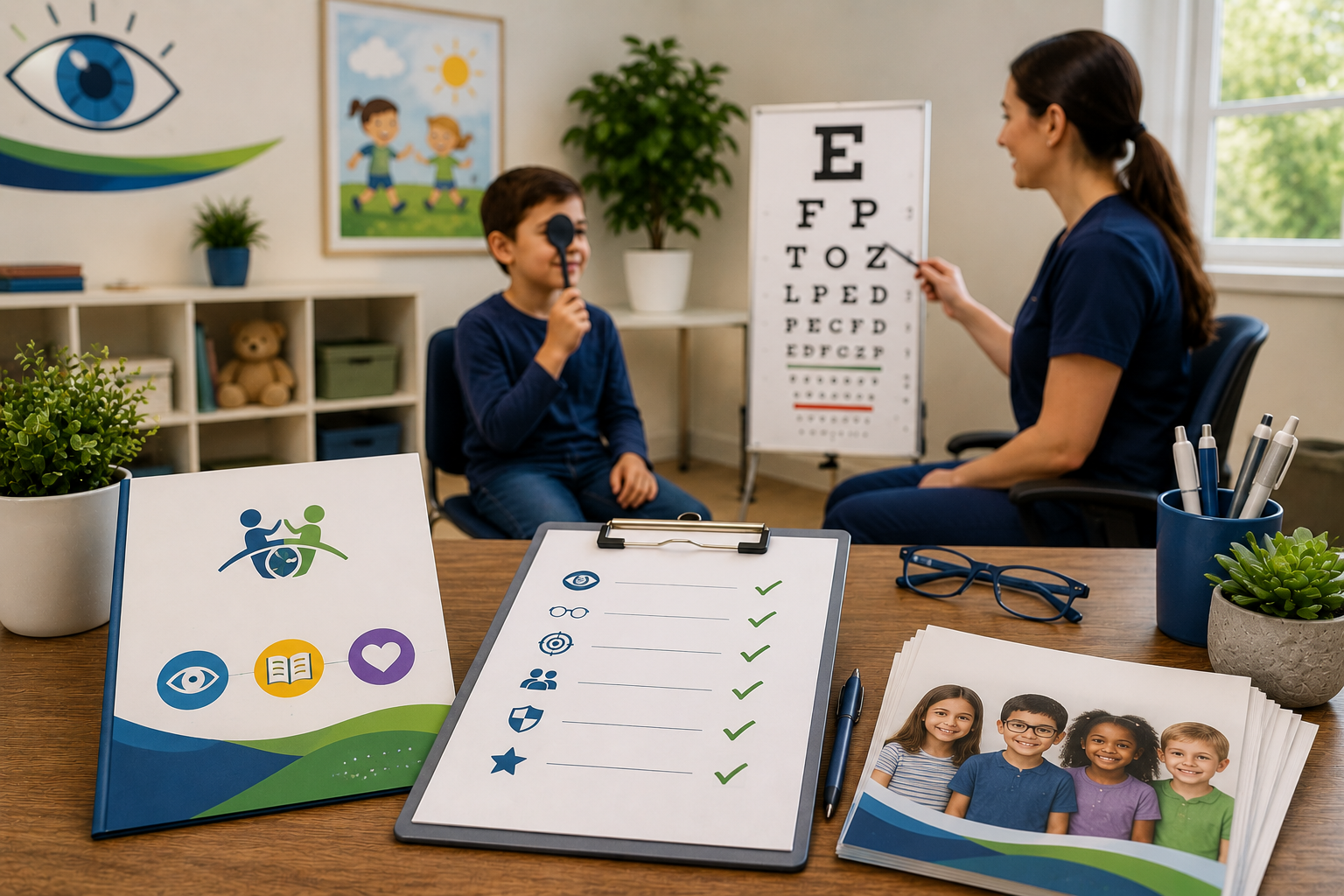
A vision screening is a quick, simple check designed to flag children who may need a closer look from an eye care professional. It can identify signs of common issues like nearsightedness, farsightedness, and other conditions that affect how a child sees and learns. Catching these early, while a child’s vision system is still developing, often makes treatment more effective and prevents a small issue from becoming a larger obstacle to learning.
For many families, cost and access are real barriers to getting a child’s eyes checked, which is why free screening programs matter so much. Vizavance has provided free vision screenings to hundreds of thousands of Oklahoma children, helping families catch problems they might never have known about otherwise. You can learn how the screening process works and how it reaches children where they already are, in school.
A Small Step With a Lasting Impact
An early eye screening takes only minutes, but for a child it can mean the difference between struggling silently and thriving. Catching a vision problem before it quietly shapes years of schooling gives a child a fair chance to learn, engage, and grow. It is one of the simplest, most impactful things a community can do for its children.
If you are a parent, a teacher, or a school wondering how to make sure children do not slip through the cracks, learning about vision screening is a meaningful first step. Vizavance is dedicated to advancing children’s education through better vision across Oklahoma, and you can find out more about getting involved or supporting the work through our resources and community programs.
Frequently Asked Questions
Why do children not tell their parents about vision problems?
Because young children usually have no point of comparison. A child who has always seen the world a certain way assumes everyone sees it the same and has nothing to report. They also adapt quickly, leaning closer, guessing, and relying on hearing and memory, which masks the problem. This is why waiting for a child to complain is unreliable, and why a screening, which sees what a child cannot say, is so important.
How does vision affect a child’s learning?
A large share of early learning comes through the eyes, including reading, writing, and watching the board. When a child cannot see well, the effort of simply making sense of the page drains the energy and attention they need to learn. Worse, the struggle is often mistaken for trouble focusing or falling behind, when the real issue is unclear vision. Addressing a vision problem can change how a child engages with school.
What is a vision screening and what does it check for?
A vision screening is a quick, simple check designed to identify children who may need a closer examination by an eye care professional. It can flag signs of common issues such as nearsightedness, farsightedness, and other conditions that affect how a child sees and learns. It is not a full eye exam, but it is an effective way to catch potential problems early so families can follow up with the right care.
At what age should a child have their vision screened?
Vision develops through the early years, so screening children while their vision system is still developing helps catch problems when treatment tends to be most effective. Many vision issues are easier to address when identified early rather than after years of unnoticed struggle. School based screening programs are valuable because they reach children at the ages when learning depends heavily on clear vision, catching issues that might otherwise go undetected.
How does Vizavance help children with their vision?
Vizavance is an Oklahoma nonprofit dedicated to advancing children’s education through better vision. It provides free vision screenings that have reached hundreds of thousands of children, helping families identify problems they might never have known about, often before cost or access could become a barrier. The organization focuses on the connection between vision and learning, and welcomes parents, teachers, and schools to learn more and get involved through its resources.