A child in the third row squints at the board, copies the wrong numbers, and slowly decides math is not for them. No one calls it a vision problem. It gets called daydreaming, or falling behind, or not trying, because a child who has never seen clearly has no way of knowing that everyone else sees differently.
This happens far more often than most parents and even teachers assume. The good news is that catching it is quick, painless and, for schools across our state, free. Here is how free vision screening works in Oklahoma, and what schools and parents each need to know.
Why Screening Matters More Than It Sounds
Most of what happens in a classroom passes through the eyes: the board, the worksheet, the book. When vision is blurry, doubled or uncomfortable, learning gets harder in ways that rarely look like an eye problem. They look like short attention, lost interest, headaches, acting out.
National organizations such as Prevent Blindness have documented for decades that significant numbers of children carry vision problems that go undetected, and that some conditions, like lazy eye, are far easier to treat when caught young. The window matters. A problem found in first grade is a pair of glasses. The same problem found in sixth grade can be years of lost ground.
What a School Screening Actually Involves
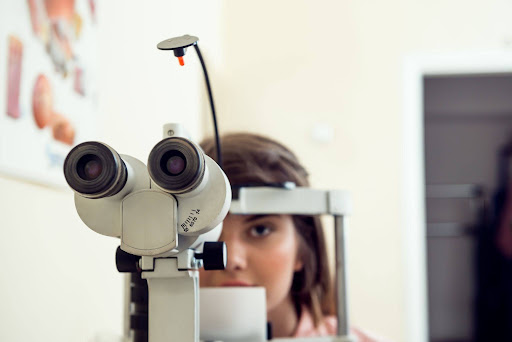
A screening is not a full eye exam, and it does not need to be. It is a short, child-friendly set of checks, run by trained screeners with equipment designed for kids, answering one question: does this child see well enough to learn, or should an eye doctor take a closer look? Our screening process takes only minutes per child, nothing touches the eye, and screeners are practiced at making it feel like a game rather than a test.
A whole grade can usually be screened in a morning without disrupting the school day. The school provides a room and a class list, and our team handles the rest.
What Happens After the Screening
Most children pass, and their families get that reassurance. When a child does not pass, the school and family receive a referral recommending a full exam with an eye doctor. That word, referral, worries parents more than it should. It does not mean something is wrong. It means something is worth checking properly.
The referral is where parents matter most, because a screening only helps if the follow-up exam happens. If a note comes home, make the appointment. For families on SoonerCare, children’s eye exams and glasses are generally covered, so cost should not be the reason a referral goes nowhere.
What It Costs Schools: Nothing
This is the part school nurses and administrators ask first, so here it is plainly: Vizavance provides vision screening to Oklahoma children at no cost to schools or families. We are a nonprofit, this is our mission, and it has been for decades under our former name, Prevent Blindness Oklahoma. Screenings are funded by donors and partners who believe no child should struggle in school because of a problem a pair of glasses could fix.
How to Get Your School on the Calendar
Screening season fills the way school calendars always do, so the best time to reach out is early. Contact us through the website with your school, district and rough student count, and we will work out dates. If you are a parent rather than an administrator, share this with your school nurse or principal, because a single email from a parent has started screenings at plenty of schools.
One morning of screening can change how a child experiences every school day after it. That is a trade any school should take, and if you would like to help us reach more schools, there are ways to help beyond the screening room too.
Frequently Asked Questions
Is a school vision screening the same as an eye exam?
No, and it is not meant to be. A screening is a quick check that identifies children who should see an eye doctor, while a comprehensive exam is a full evaluation that can diagnose and treat. Screening finds the children who need that visit; the exam is the visit.
What ages or grades should be screened?
Vision should be checked at every stage, from preschool through high school, because different problems appear at different ages. The early years matter most, since conditions like lazy eye respond best to treatment in young children. If a school screens only once, screen young.
My child passed a screening but still struggles to read. Should I see a doctor anyway?
Yes. A screening is a strong first filter, not a guarantee, and some vision issues that affect reading are only found in a comprehensive exam. If something feels wrong to you or a teacher, trust that instinct and book the full exam regardless of the screening result.
Does SoonerCare cover eye exams and glasses for kids?
SoonerCare generally covers children’s vision services, including exams and glasses, though details vary, so confirm specifics when booking. Cost is the reason many referrals never become appointments, and for most eligible Oklahoma families it does not need to be.
How does a school request a free screening from Vizavance?
Reach out through our website with your school name, location and approximate number of students. We schedule around your calendar, bring trained screeners and equipment, and provide referral reporting afterward. There is no cost to the school or to families.