When Vision Gets in the Way: How Undetected Eye Problems Can Disrupt a Child’s Education and Wellbeing
Children see the world through more than just their eyes—they interpret it emotionally, socially, and cognitively. When vision issues go undetected, the consequences can ripple through every part of a child’s life, from academics to self-esteem. Unfortunately, vision problems often go unnoticed or are mistaken for behavioral or learning difficulties, leading to delayed support and prolonged struggle.
As we step into an era of increasingly personalized education and healthcare, it’s vital for parents and educators to recognize that a child’s academic frustration may not be due to disinterest or inability, but rather something as correctable as poor vision.
Why Vision Problems Often Go Undiagnosed in Children
Unlike adults, children may not realize that their vision is impaired because they assume everyone sees the way they do. If they can’t clearly see the board, follow along in a book, or process written instructions effectively, their frustration can manifest in emotional and behavioral ways. Unfortunately, these signs are often misattributed to attention disorders, poor attitude, or laziness.
The result? A child who falls behind in school feels misunderstood and begins to disengage emotionally.
5 Telltale Signs of Vision Problems in Children
Here are five signs—both physical and emotional—that could point to vision issues in a child. Early detection can make all the difference.
1. Frequent Headaches or Eye Rubbing
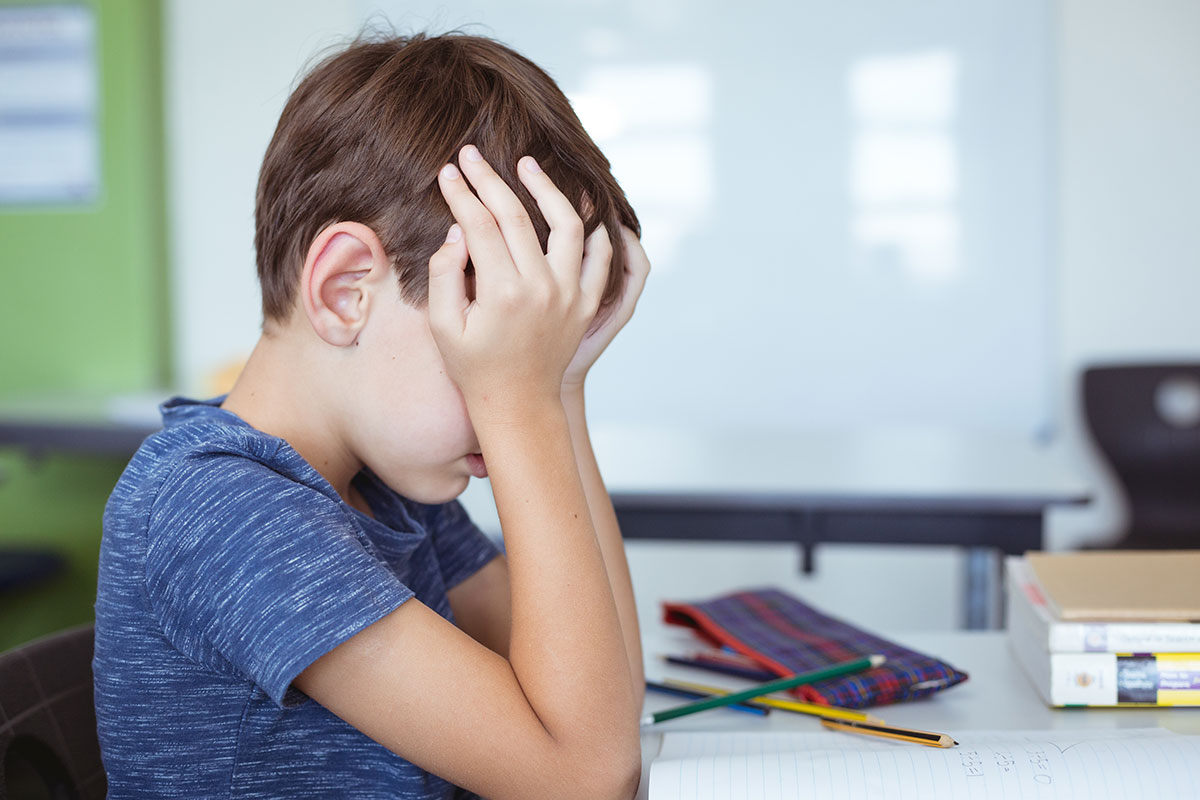
Children with undiagnosed vision problems often strain their eyes to focus, leading to tension headaches. You may notice them rubbing their eyes frequently, especially after reading or screen time.
2. Difficulty Focusing or Short Attention Span During Visual Tasks
Kids who can’t see clearly may seem easily distracted or inattentive, particularly during reading or writing activities. This isn’t necessarily a sign of ADHD—it could be their brain working overtime to compensate for unclear vision.
3. Squinting, Covering One Eye, or Sitting Too Close
These are classic physical indicators. A child might squint to try to sharpen blurry text, cover one eye to reduce double vision, or sit unusually close to screens or books to compensate for poor distance or near vision.
4. Avoidance of Reading or Homework
If reading causes discomfort, children may start avoiding books altogether. This avoidance can escalate into frustration, arguments about homework, and a general dislike of school.
5. Increased Frustration, Low Self-Esteem, or Mood Changes
Emotionally, a child who feels they’re “not as smart” as their peers—simply because they can’t see as well—may act out or withdraw. They might become anxious, tearful, or express feelings of failure. The emotional toll can be profound if the root cause isn’t addressed.
What You Can Do as a Parent or Educator
- Schedule regular eye exams: Many schools don’t test for all types of vision problems (e.g., convergence issues, depth perception). A comprehensive eye exam from an optometrist can reveal much more.
- Observe behaviors over time: Patterns in how a child behaves when reading, learning, or watching screens can reveal important clues.
- Advocate for their needs: If you suspect a vision problem, communicate with teachers and eye care professionals. Early intervention can dramatically improve outcomes.
Looking Forward: A Vision for Better Childhood Education
In the future, we may see AI-assisted screening tools and school-based vision monitoring becoming the norm. But until then, awareness remains our greatest tool. The earlier we catch vision problems, the sooner we can unlock a child’s full potential, both academically and emotionally.
Let’s ensure no child is left behind simply because they couldn’t see the board.